BUILDING THE FRONTLINE OF VISION CARE IN LEBANON

Ouyouna is the missing layer. Across Lebanon, access to vision care still depends on politics, privilege, or chance, leaving children unable to see the board, and adults losing sight to conditions that are entirely treatable. Ouyouna is building a community-powered vision care system that brings equitable, depoliticized care directly to the people who need it most, through technology, trusted medical partnerships, and a workforce embedded in the communities it serves.
Ouyouna, ‘our eyes’, embodies what we can build together when we see clearly

THE BRIDGE WE'RE BUILDING


Lebanon has the optometrists. It has the ophthalmologists. It has the clinics. What it doesn't have is a system that finds the people who need care and brings care to them, and the cost of that absence is measurable.
In the first 790 children we screened across two Lebanese public schools, one in five had a suspected vision problem. Most had never been screened before. Most had no way to access care if they had been.
The gap isn't accidental. Lebanon has no government-led school eye health program. Optometrists are legally prohibited from examining children under 12 and over 50, the two most vulnerable populations to visual impairment. And in public schools, fewer than 5% of children who need glasses are wearing them, compared to over 90% in private schools. Access to vision care in Lebanon still depends on where you were born, what your family earns, and who your parents know.
Vision loss caught early is almost always treatable. Vision loss caught late changes the trajectory of a child's education, a worker's earnings, an elder's independence. Ouyouna exists because Lebanon cannot afford to wait for a system that may never arrive on its own.


OUR MODEL
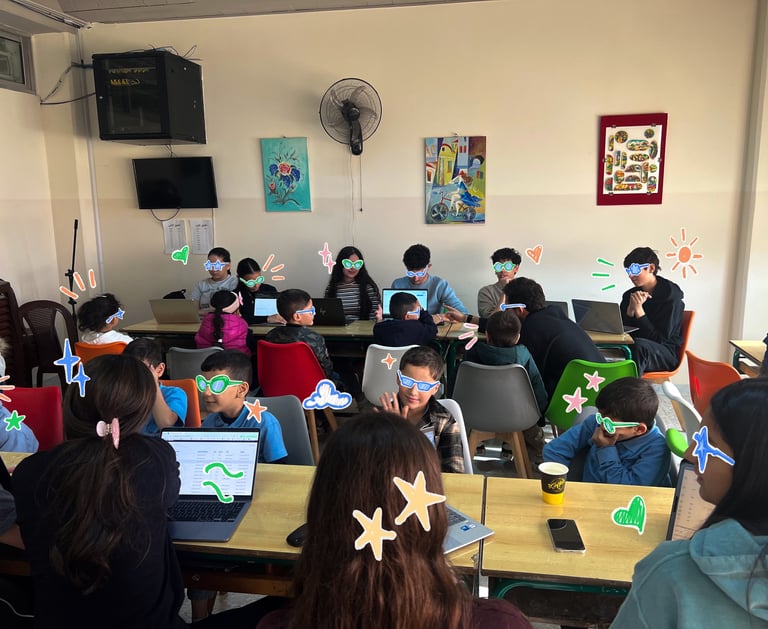
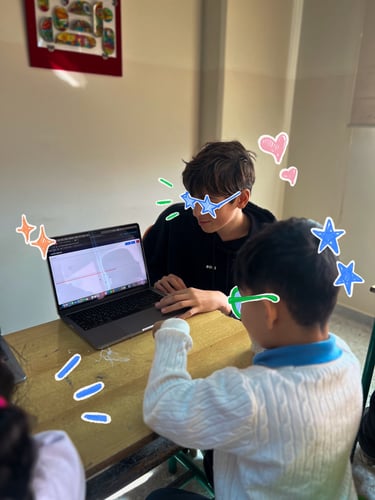
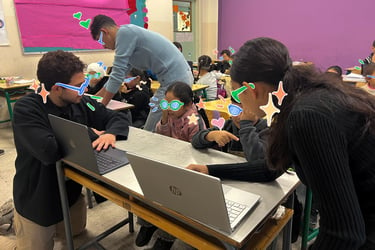
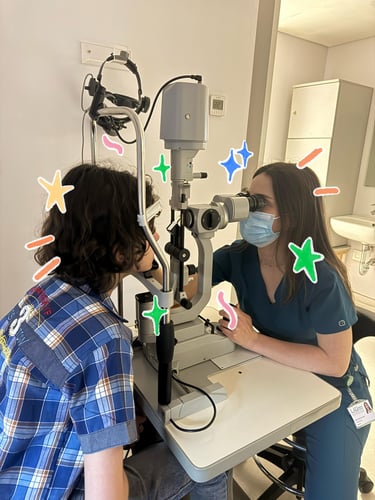
Ouyouna trains members of the community to deliver vision screenings using validated screening tools meant to be deployed by non-medical professionals. Screenings happen where life already happens, in classrooms, community centers, and neighborhood meeting spots. Fast, accurate, and designed to be run by anyone we've trained, turning ordinary spaces into points of access. Every child or adult flagged for follow-up is routed directly to our medical partner network. No paperwork mazes, no waitlists built on connections, just a clear pathway from screening to vision care professional. Comprehensive exams, glasses, and treatment are delivered free of charge. Care doesn't stop at the diagnosis, it follows the person all the way to a solution.

TRAIN
SCREEN
REFER
TREAT


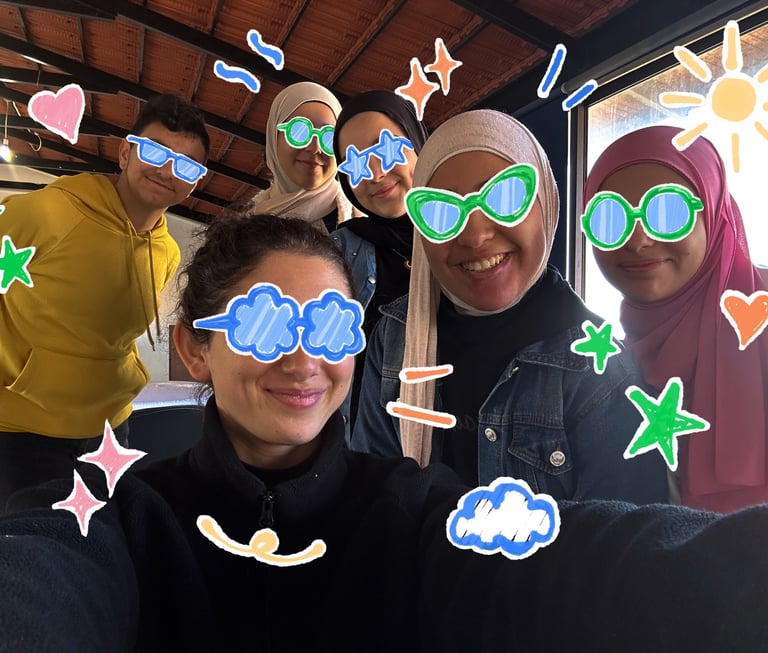

IN COMMUNITIES, BY COMMUNITIES
Vision care in Lebanon doesn't fail for lack of technology, it fails for lack of trust. The people who need care don't trust the system that's supposed to deliver it. We don’t visit the communities we serve. We become part of them.
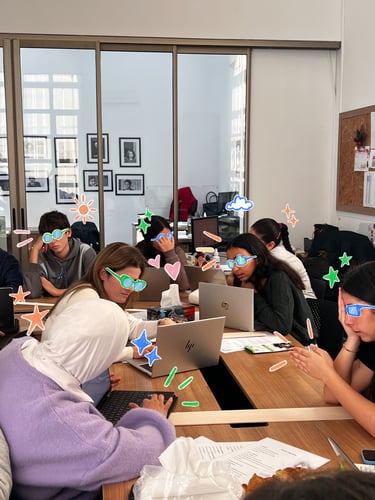
Ouyouna trains the people communities already trust, teachers, older students, parish coordinators, local volunteers, to deliver vision screenings inside their own schools, neighborhoods, and community centers. The technology is validated and designed to be used by anyone we train. The faces delivering it are the ones people already know. Care doesn't arrive from outside; it grows from within.
That's how we scale: not by sending teams in, but by building capacity that stays.


THE STUDENT WE DON'T REFER
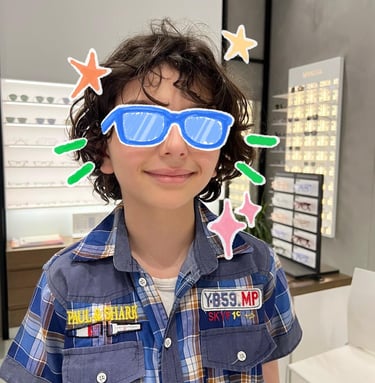
Most children we screen will not need glasses. Those moments matter just as much. For many families, it is the first time care arrived without political strings attached. Just a familiar face, a careful screening, and the message that every child deserves to be seen.


BUILDING LEBANON'S FUTURE VISION CARE FRONTLINE
Ouyouna is building toward a national, community-integrated vision care frontline, through AI-assisted diagnostics, mobile clinics, referral networks, and partnerships with schools, hospitals, and universities. So that access to sight no longer depends on income, geography, or political affiliation.






VISION CARE IS A HUMAN RIGHT AND NOT A POLITICAL TOOL
Join us in building a future where sight is treated not as privilege, but as a human right
